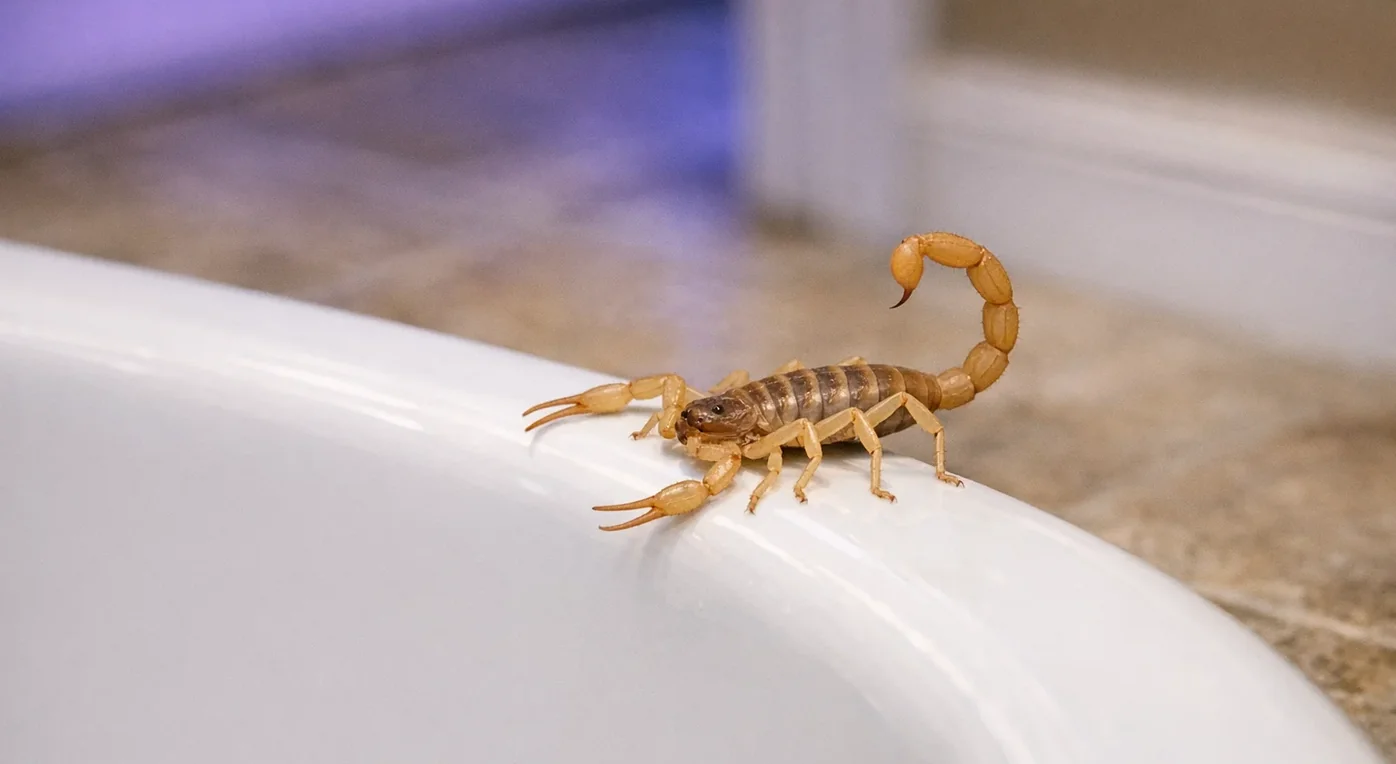
What kills scorpions instantly?
Direct contact with concentrated permethrin or hard physical impact. Most over-the-counter sprays only stun briefly before the scorpion recovers.
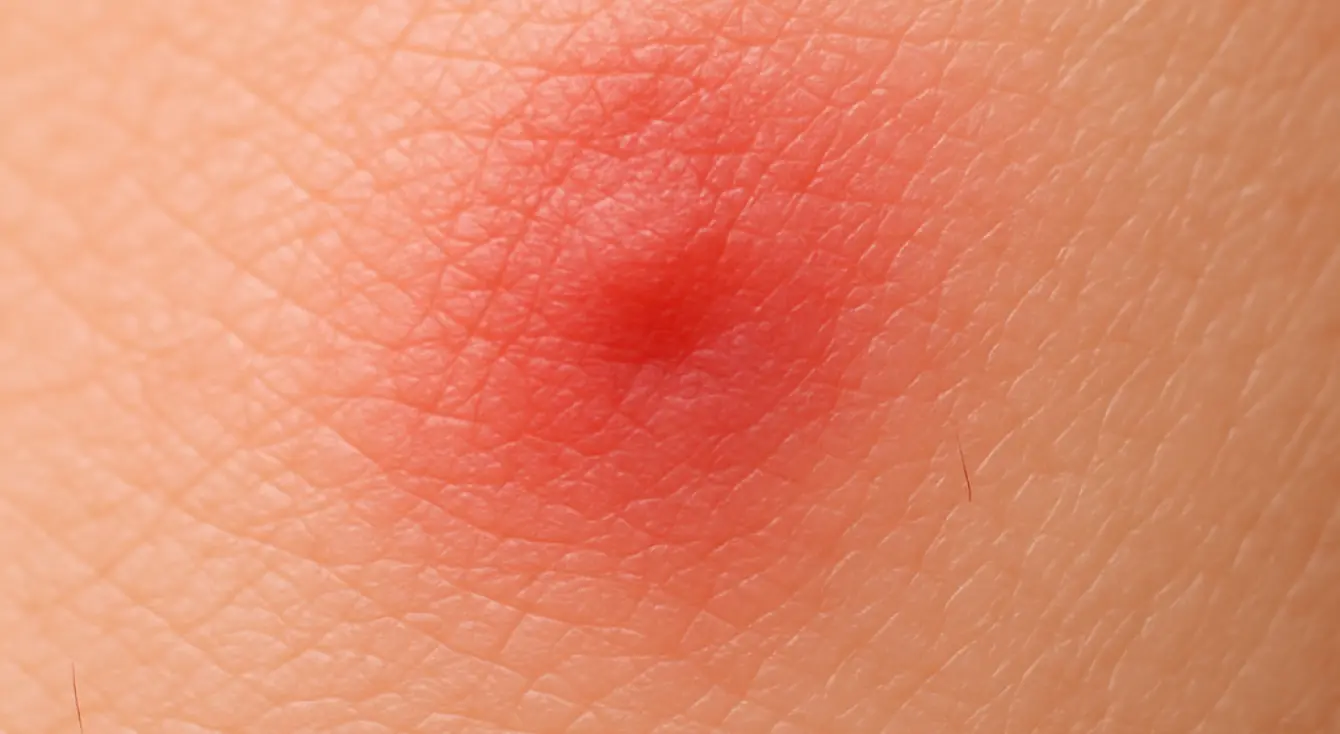
If you've ever worried about a scorpion sting, you're not alone—especially in the U.S. Southwest, where encounters with venomous species like the Arizona bark scorpion aren't rare. But what exactly does scorpion venom do once it enters your body?
Scorpion venom is a complex mix of neurotoxins, enzymes, and other compounds designed to paralyze or kill small prey. When injected into humans, the venom interacts with the nervous system, often causing intense pain and a variety of systemic symptoms.
Most stings in the U.S. come from species whose venom causes only localized pain and swelling. However, a sting from the Arizona bark scorpion (Centruroides sculpturatus) can be much more serious, especially for children, older adults, and people with underlying health conditions.
For most healthy adults, a scorpion sting will cause:
These symptoms usually peak within a few hours and resolve on their own.
In more vulnerable individuals, or in cases of a large venom dose, symptoms can progress to:
According to the Arizona Poison and Drug Information Center, about 200 people are stung by bark scorpions each year in Arizona alone. While fatalities are extremely rare in the U.S. thanks to access to medical care and antivenom, the experience can still be traumatic.
Always seek emergency medical attention if:
Even for milder stings, it’s a good idea to call your local poison control center for guidance.
The best way to avoid a scorpion sting is to prevent scorpions from getting inside your home in the first place. That includes sealing cracks, keeping outdoor areas clean, and using tools like our Scorpion Detectors, which can catch scorpions as they move along baseboards in the dark.
If you do receive an alert from your Detector, grab a UV flashlight and track the scorpion down before it disappears. The faster you find it, the less chance it has to sting someone.
Scorpion venom may be nature's weapon, but with knowledge and preparation, it doesn't have to be a threat. Knowing how your body might react—and what to do about it—is the first step in staying safe.
Medical disclaimer: This article is informational and not medical advice. We are not doctors, and portions of this content have been edited with AI assistance. For questions about symptoms, treatment, or medications, consult your doctor. For a scorpion sting with severe symptoms, call 911 or your local emergency service.
I like seeing them turn on, night after night. Security guards that never quit.
The Scorpion Detectors are very easy to set up with the app and they work very well.
We haven’t come across a scorpion in our house unexpectedly since we started using this.
Direct contact with concentrated permethrin or hard physical impact. Most over-the-counter sprays only stun briefly before the scorpion recovers.
There are over 2,500 described species of scorpions, divided into about 22 families, with new ones still being discovered through genomic studies.
No, scorpions are not aggressive; they sting only in self-defense when threatened or accidentally disturbed. They prefer to flee or hide rather than attack.
No single product guarantees zero scorpions in scorpion-prone areas. The practical approach combines exclusion, prey control, and monitoring for a layered defense.
Yes, scorpions can slow their metabolism dramatically, surviving up to a year on just one insect. They can also go months without food if they have access to water.
Peak season runs from March to October, with the highest activity in July and August, when they mate and search for water and shelter.
Not you?
Detectors are free with monitoring. The more you add, the more you save per Detector. Cancel any time and return them — no long-term contract.
Sign up with Google or Apple — no password required.
By continuing, you agree to our Terms & Conditions and Privacy Policy.