



Knowledge Base

Stings & Reactions

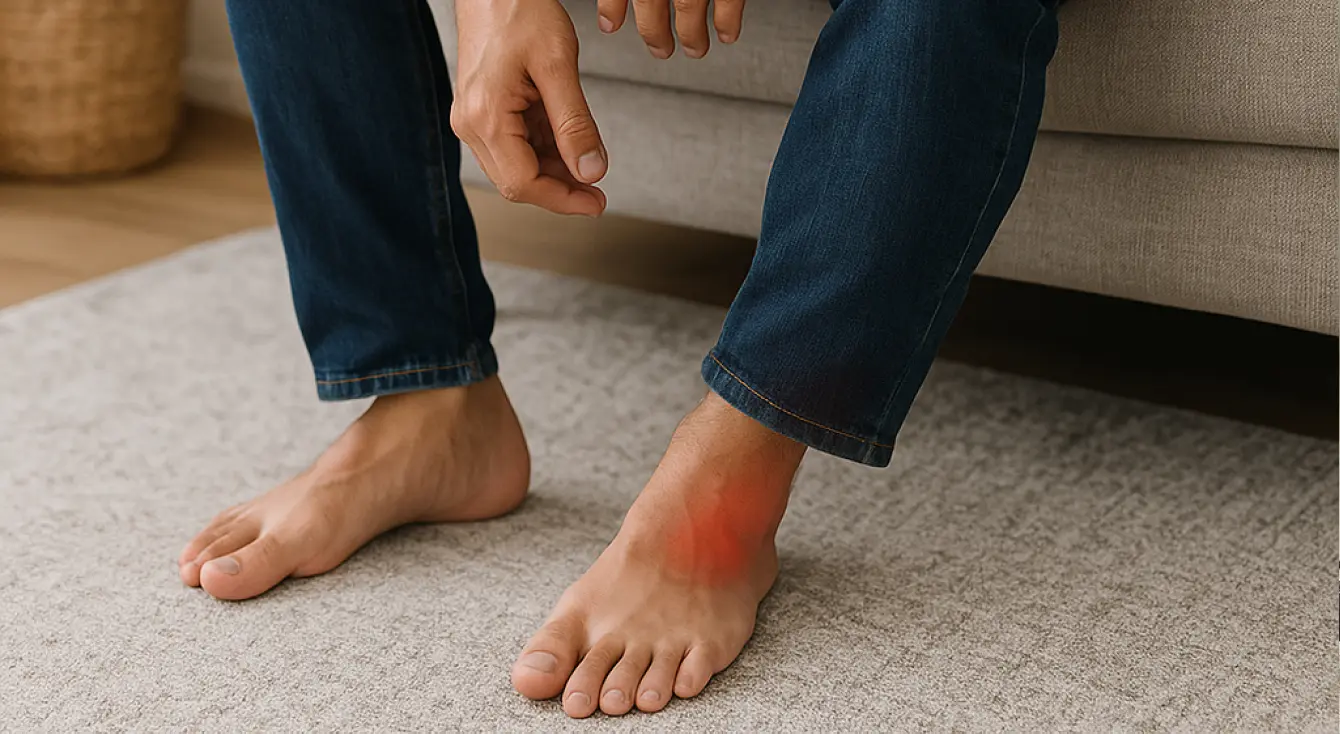
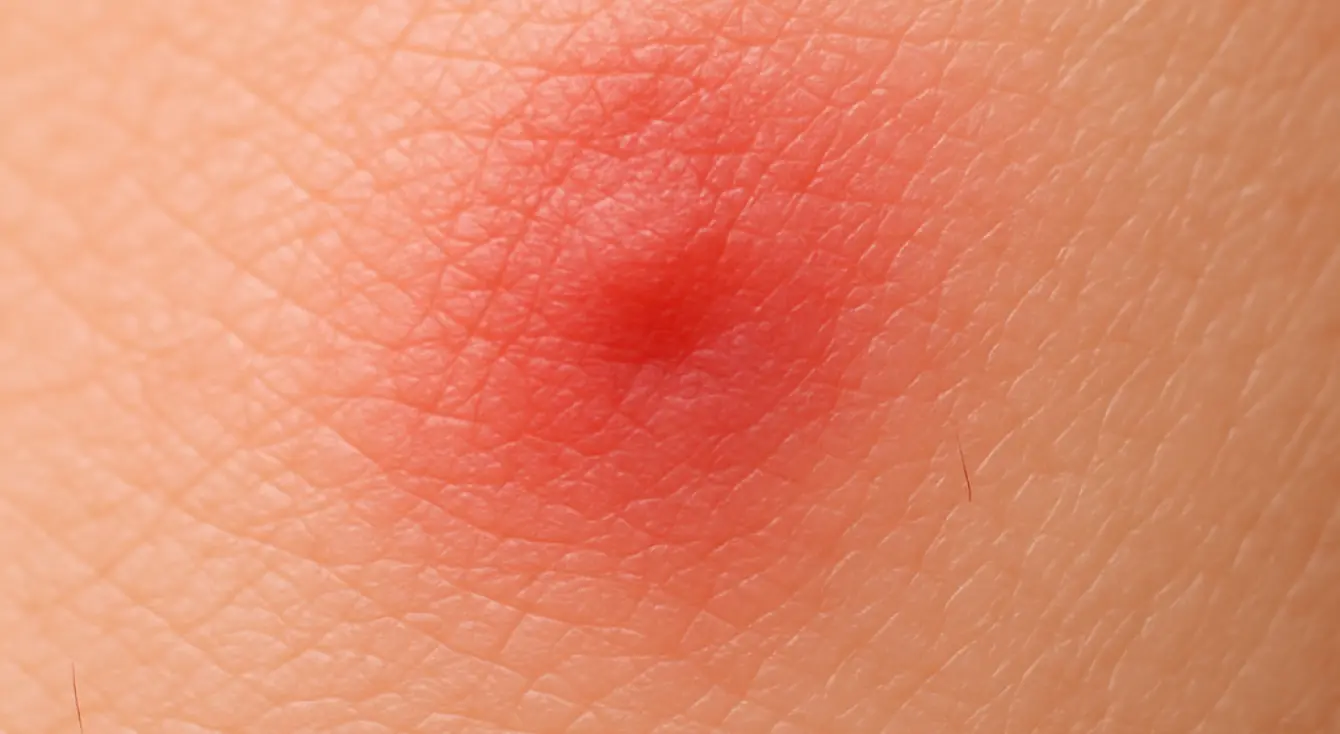
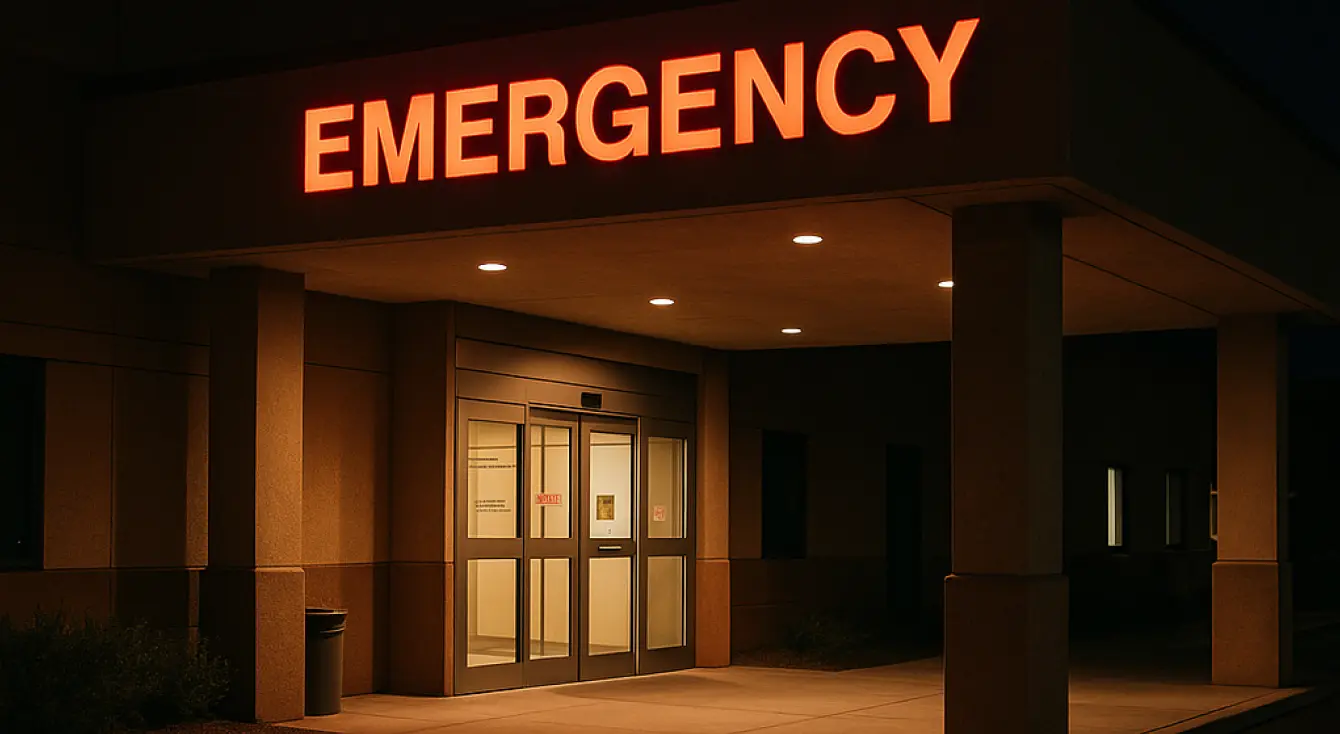
What happens after a scorpion sting — symptoms, treatment, when to go to the ER.
What is Scorpion Alert?

Get instant alerts when scorpions are detected in your home

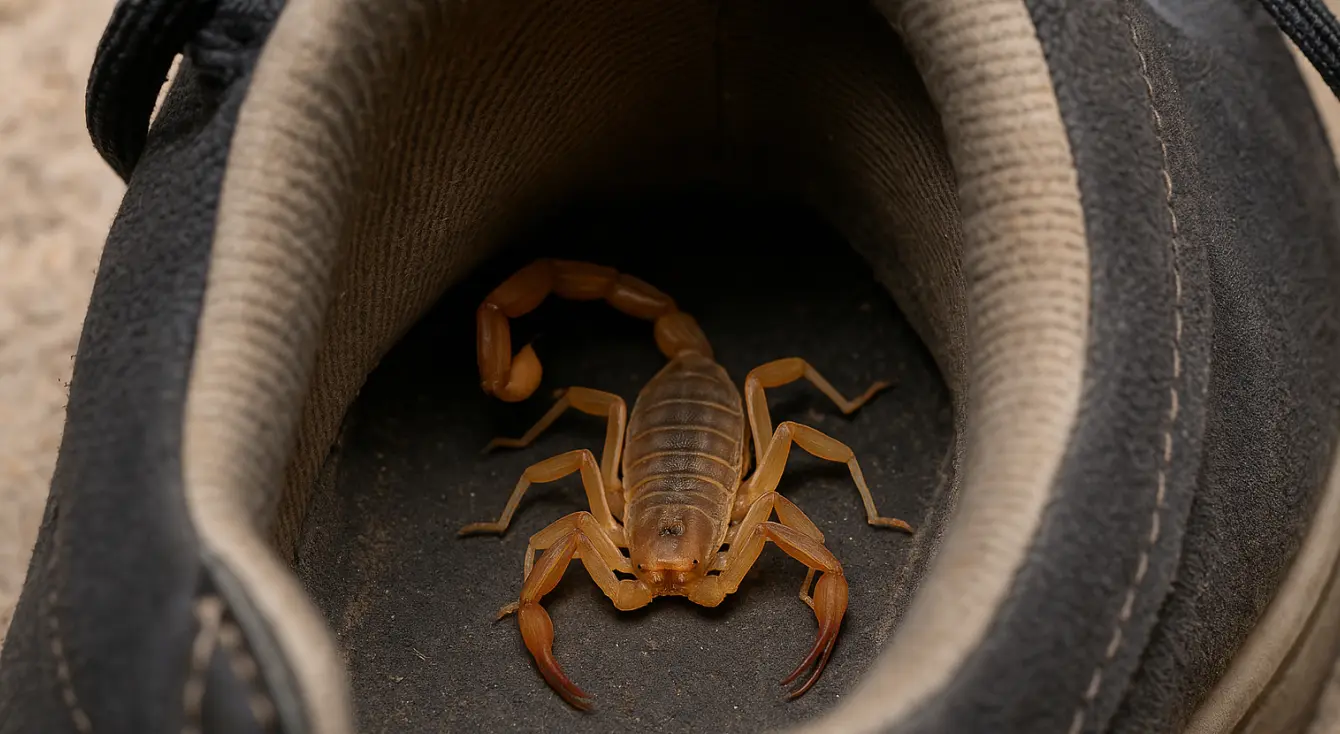
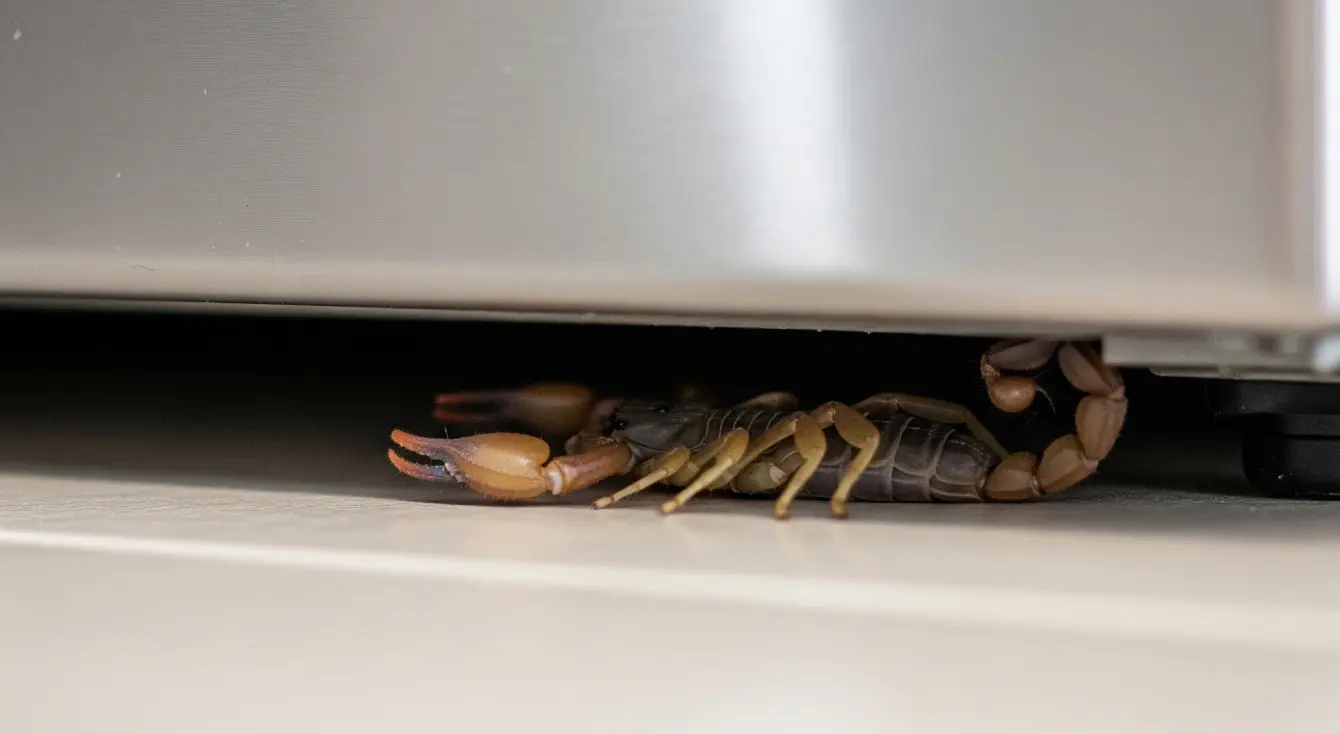
Scorpion Detectors watch over your home at night, when scorpions are most active. The moment a scorpion crosses one, you get a phone alert — so you can act before it makes a home out of your shoe, bed, laundy basket, or anywhere else.
  • Detectors arrive ready to plug in
  • Live alerts go straight to your phone or watch, with location
  • Alert multiple family members with a single account
  • One flat monthly monitoring fee — no contract, cancel anytime
Get Scorpion Alert
From our customers

What homeowners are saying

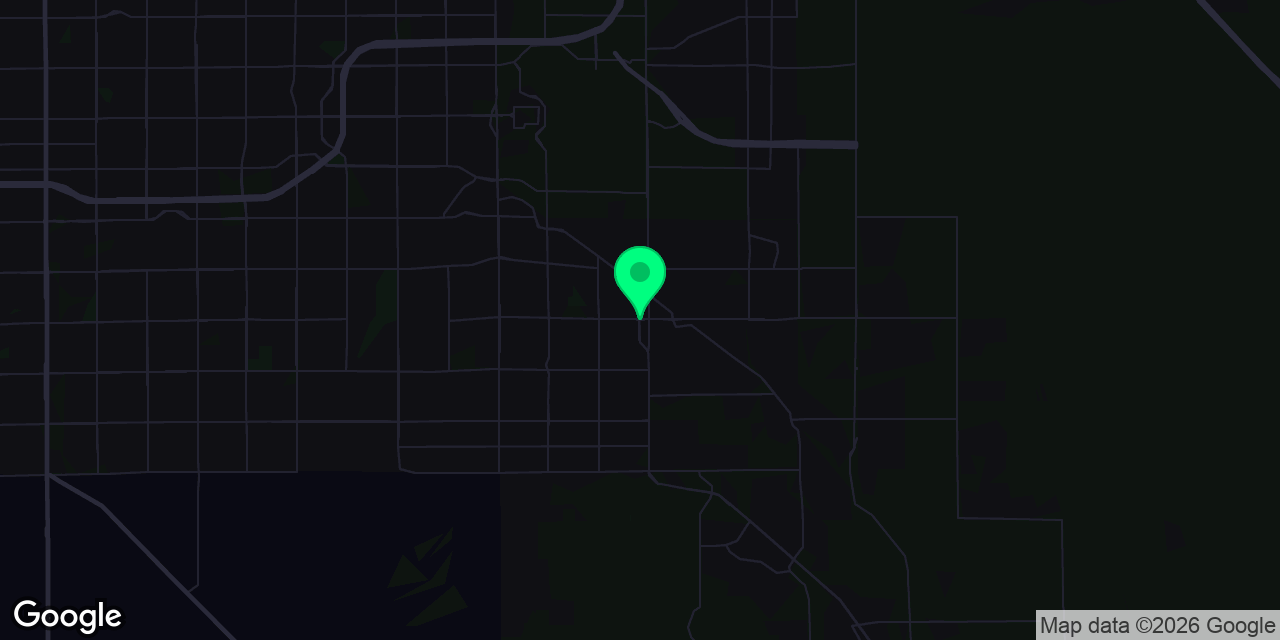
Map of Queen Creek, ArizonaQueen Creek, Arizona
We haven’t come across a scorpion in our house unexpectedly since we started using this.
Monique
6 scorpions detected
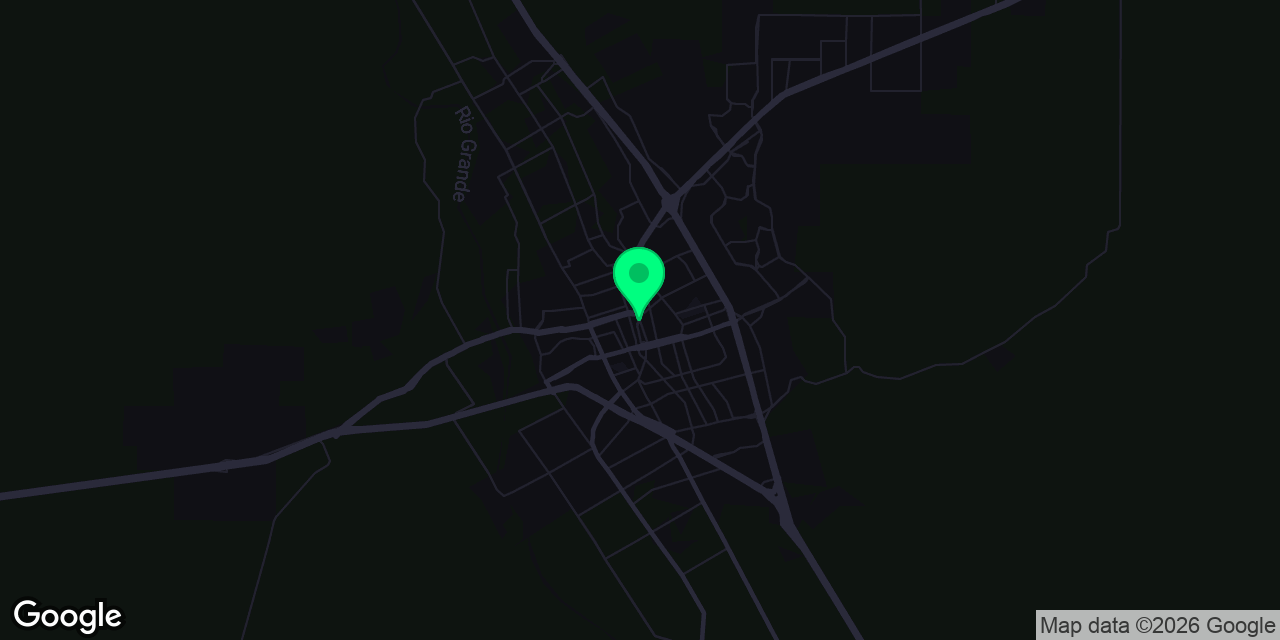
Map of Las Cruces, New MexicoLas Cruces, New Mexico
It works exactly as I hoped it would. Please make something similar for snakes.
Anjelica
7 scorpions detected
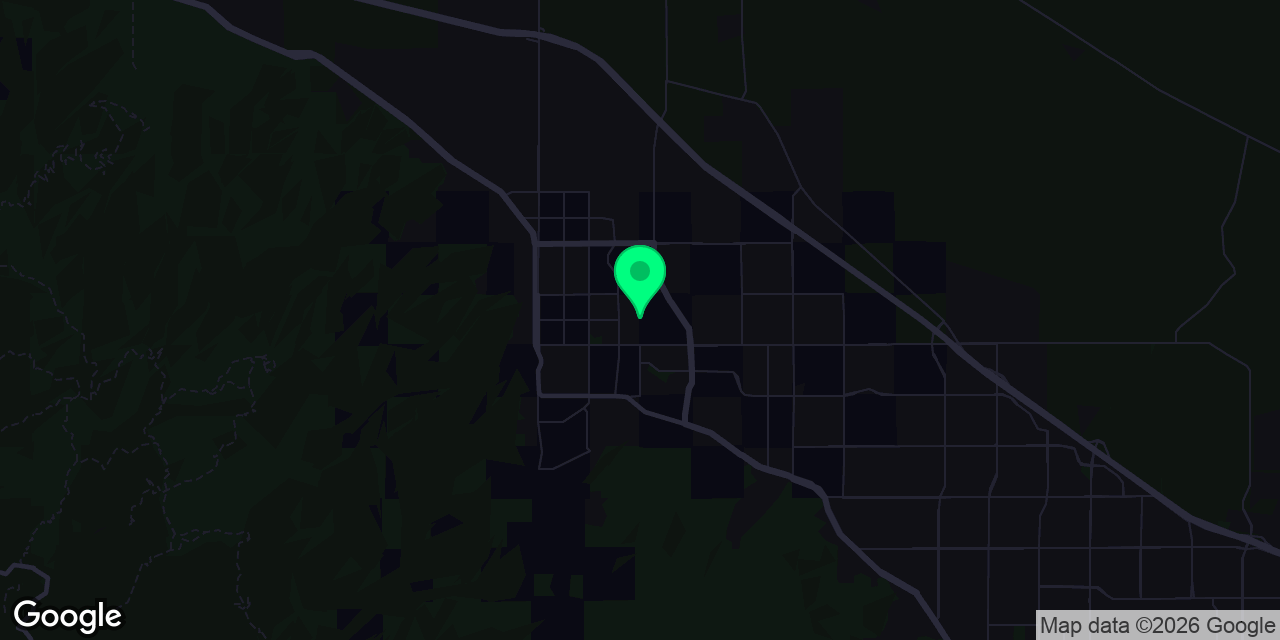
Map of Palm Springs, CaliforniaPalm Springs, California
This is a really great way to solve the scorpion problem. No mess, easy to use technology.
Michael
10 scorpions detected
Common questions

Frequently asked questions

How do I scorpion-proof a nursery so they can’t reach the crib?

This section lays out a parent-friendly, room-specific checklist that prioritizes the crib zone first, then sealing, screening, and decluttering the rest of the nursery. It includes practical tactics like keeping the crib away from walls and removing “climbable” items near it, plus sealing perimeter gaps where scorpions travel. You’ll also find hardware-focused steps for outlets, vents, and ceiling fixtures in the complete nursery scorpion-proofing checklist.

What should I seal first to stop scorpions from getting inside?

Start with the biggest weekend wins: door sweeps, thresholds, weatherstripping alignment, and garage door bottom/side seals, then move to utility penetrations like plumbing, cable, and AC lines. Use quick verification tests like the light-under-door check after dark, feeling for drafts, and re-checking after storms or temperature swings. This prioritized scorpion sealing checklist also emphasizes room-by-room perimeter checks since scorpions tend to hug edges.

How can I feel in control of scorpions again without constantly checking?

Instead of trying to “fix it overnight,” the focus is on reducing uncertainty and having a clear response plan so your brain can stand down. The article explains how a real monitoring system can replace endless scanning, why photo-verified alerts help anxious minds, and how to keep nights quiet with smarter notification settings. It also covers sharing access and responsibilities so the burden doesn’t fall on one person in scorpion monitoring for peace of mind.

What should I do right now if I find a scorpion, and how do I prevent repeat sightings?

Start by staying calm and containing it safely (not with bare hands), then do an “edge sweep” of nearby perimeters where scorpions travel and pause. Small habit changes—like quick shoe/bedding checks, reducing floor clutter, and managing moisture—cut down on surprise encounters. For ongoing awareness without night walks, the guide explains perimeter-focused monitoring and why some trap setups can be messy in lived-in spaces; see stop scorpions from coming back.

Is the scorpion in my house dangerous, and when should I call Poison Control?

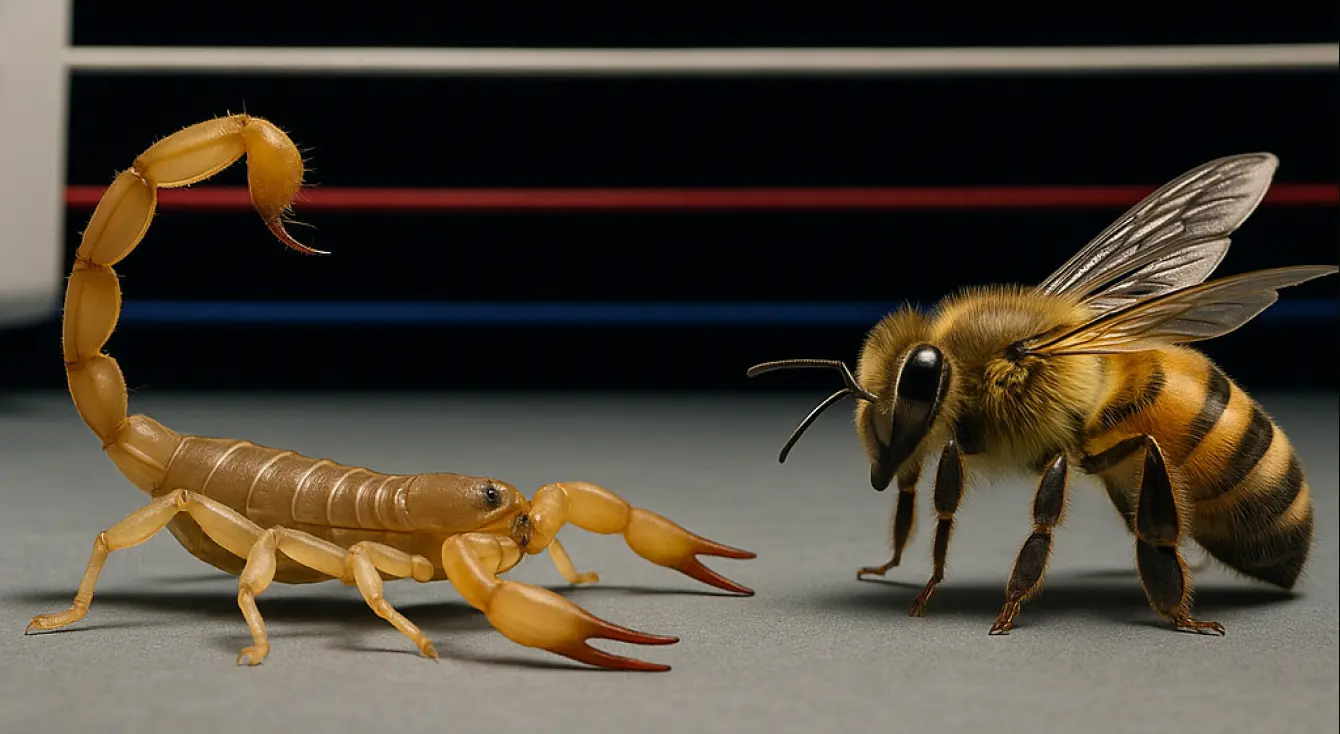
Most scorpions in the U.S. aren’t medically dangerous, but you should treat unknown scorpions with caution—especially depending on where you live, who’s at risk (kids, elderly, pregnant people, pets), and whether it was found on a wall or ceiling. This section also lists fast “call Poison Control” symptoms and emphasizes not waiting for a perfect species ID if symptoms show up. Use this scorpion danger and urgency guide to prioritize safety and containment first.

What is diatomaceous earth, and does it really work on scorpions?

Diatomaceous earth (DE) is a fine, dusty powder made from fossilized diatoms, and many homeowners try it because it feels like a “non-chemical” DIY option. It works by abrading and drying pests that crawl through a thin, dry layer, but scorpions can be harder to affect because contact and conditions aren’t always consistent. This means DE is better as a targeted barrier than a fast “kill on sight” method—see the details in this diatomaceous earth scorpion guide.