Are scorpions common in Nevada, or only in Las Vegas?
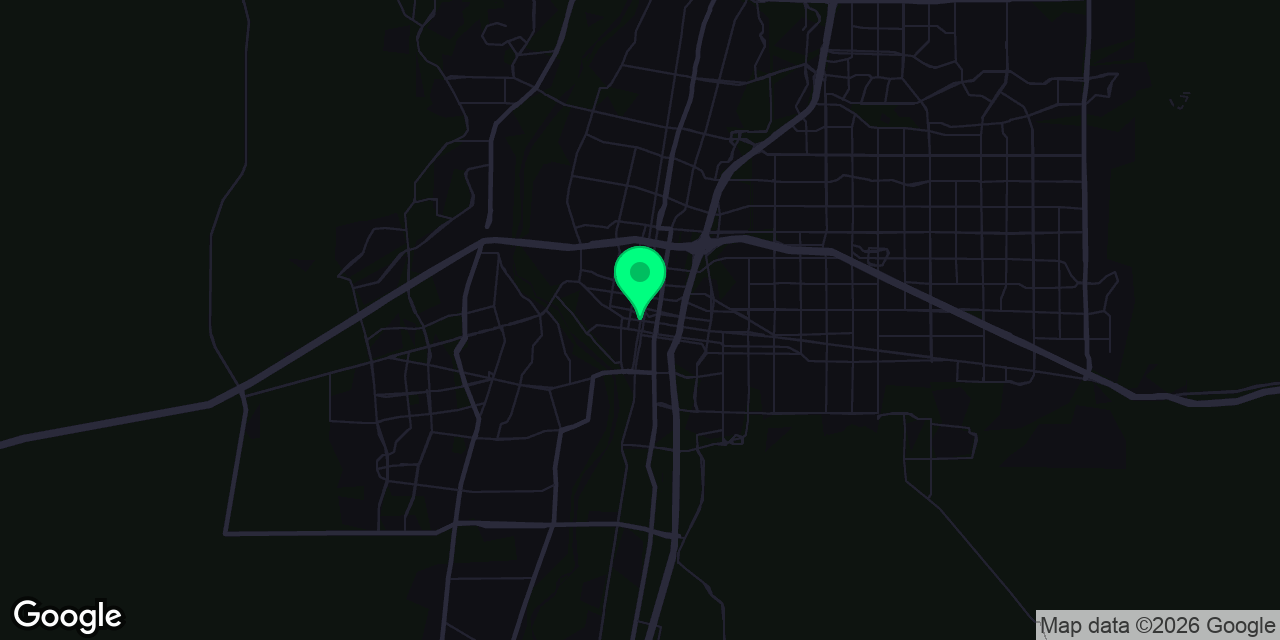
Scorpions thrive in Nevada's desert climate, but they aren't evenly distributed across the Silver State. Most encounters happen in warmer, lower-elevation areas where desert conditions create ideal habitat. Las Vegas and Henderson get the most reports, but scorpions also turn up in Mesquite, Laughlin, and parts of the Reno-Sparks area.
The difference between northern and southern Nevada is stark. Southern Nevada's Mojave Desert neighborhoods deal with scorpions year-round, especially on warm nights from April through October. Meanwhile, cooler, higher-elevation areas like Ely or the Sierra foothills rarely see scorpion problems. Elevation matters—scorpions become scarce above 5,000 feet, preferring warmer zones below 3,000 feet where winter freezes are brief.
New construction can stir up scorpion activity fast. When bulldozers disturb desert soil for new subdivisions, displaced scorpions scatter into nearby homes. Neighborhoods built in the last decade often report more sightings than established areas. Desert-edge communities see the most activity, especially where native landscaping meets irrigated yards—an ideal mix of shelter, moisture, and prey insects.
Which parts of Nevada tend to have the most scorpion encounters?
The Mojave Desert conditions that dominate southern Nevada create scorpion hotspots. Warm nights keep scorpions active, while irrigated landscaping in an otherwise dry environment concentrates both prey insects and hunting scorpions. Suburban edges near open desert see the most activity—think Summerlin, Anthem, and the foothills of Henderson.
These transition zones offer scorpions everything they need. Desert washes provide natural travel corridors into neighborhoods. Block walls retain daytime heat, creating warm microclimates for nighttime hunting. Irrigated grass and flowering plants attract the crickets and roaches that scorpions eat. No wonder homeowners in these areas report regular sightings, especially after summer monsoons stir up insect activity.
Does seeing one scorpion mean I have a colony in my walls?
Finding a single scorpion doesn't automatically signal an infestation. Scorpions are solitary hunters that often wander indoors while pursuing prey. That scorpion in your bathroom probably followed a cricket through a gap under the door—it's not necessarily part of a hidden colony.
However, repeated sightings in the same areas suggest a different story. If you're seeing scorpions weekly in the same bathroom or along the same wall, you likely have a nearby harborage and a steady food supply. Check for gaps where plumbing enters walls, cracks in the foundation, or spaces around door weatherstripping. Multiple sightings also mean it's time to investigate what's attracting their prey—moisture leaks, accessible pet food, or gaps that let insects inside.
What types of Nevada scorpions might I see in my home?
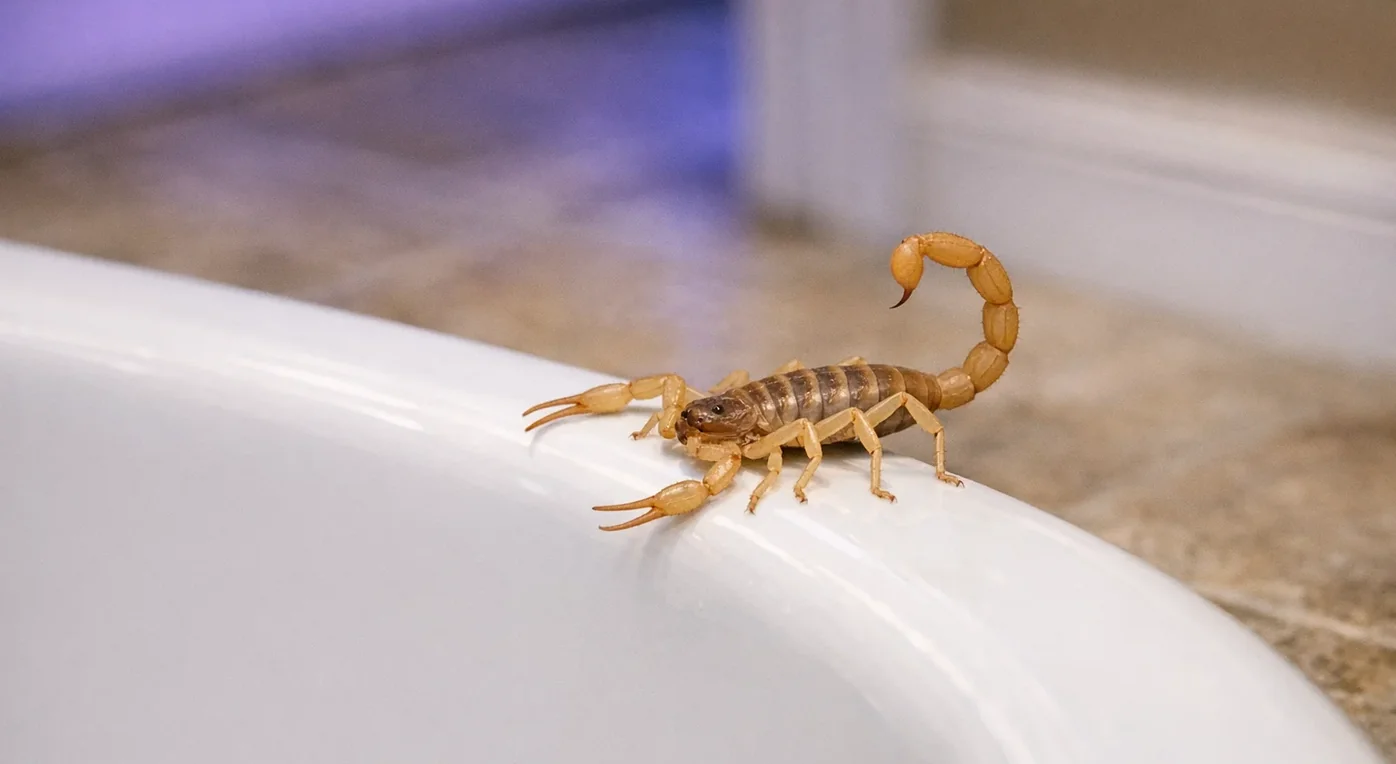
Nevada hosts several scorpion species, but only a few regularly venture indoors. The Arizona bark scorpion is the most common house invader. These slender, tan scorpions excel at climbing walls and slipping through tiny gaps. You'll spot them in bathrooms, garages, and even upstairs bedrooms—their climbing ability sets them apart from bulkier desert species.
The desert hairy scorpion, Nevada's largest species at up to 6 inches, rarely enters homes despite its intimidating size. These yellowish giants prefer staying outdoors under rocks and logs. More likely indoor visitors include the striped bark scorpion and various Vaejovis species—smaller, darker scorpions that occasionally wander inside but don't climb as readily as bark scorpions.
Never handle any scorpion for identification. Instead, trap it under a clear container and slide cardboard underneath, or take a photo from a safe distance. Size, color, and body proportions help with ID, but the exact species matters less than understanding their behavior and how scorpions enter homes in the first place.
Which Nevada scorpions are most likely to enter houses?
The Arizona bark scorpion dominates indoor encounters thanks to its climbing prowess. These scorpions scale walls easily, squeeze through gaps as small as 1/16 inch, and often surprise homeowners by showing up in sinks, bathtubs, or on ceilings. Their preference for cool, moist areas draws them toward bathrooms and kitchens.
Finding a scorpion upstairs doesn't mean you have a second-story infestation. Bark scorpions climb exterior walls and enter through weep holes, attic vents, or gaps around windows. They're just as comfortable on a bedroom ceiling as they are in the garage. This vertical mobility is why simple door sweeps and weatherstripping aren't enough—you need to think three-dimensionally about entry points.
How can I tell a bark scorpion-like shape from a bulkier desert scorpion?
Body proportions tell the story quickly. Bark scorpions have a slender build with thin pincers and long, narrow tail segments. Think of a tiny lobster that skipped arm day—all tail, minimal claw. Their overall appearance is streamlined and delicate compared to other species.
Bulkier desert scorpions like the desert hairy or stripe-tailed scorpion have thicker bodies, meatier pincers, and wider tail segments. They look sturdy and ground-dwelling, which matches their behavior—these species rarely climb and prefer staying at floor level. When you're planning prevention, remember that slender climbers require different strategies than ground-dwelling species.
Do Nevada scorpions glow under blacklight?
Every scorpion species glows green under ultraviolet light—it's one of nature's most reliable identification tricks. This fluorescence comes from compounds in their exoskeleton that absorb UV rays and emit visible light. A 365nm UV flashlight produces the strongest glow, making scorpions visible from several feet away in darkness.
This makes detection much easier than searching with regular light. Scorpions that blend in with tan carpet or dark baseboards suddenly shine like neon signs under UV. Modern detection systems like Scorpion Alert use this same 365nm wavelength to automatically spot scorpions at night, eliminating the need for manual flashlight patrols.
When are scorpions most active in Nevada?
Nevada scorpions work the night shift. They emerge after sunset when temperatures drop and humidity rises slightly, hunting along baseboards and walls until dawn. This nocturnal schedule ramps up during summer when overnight lows stay above 70°F—perfect scorpion weather.
Temperature swings drive scorpion movement more than calendar dates. A February heat wave can trigger activity just like October nights. The prime season runs April through October, but southern Nevada's mild winters mean year-round vigilance. Indoor encounters spike during extreme weather—scorching heat sends them seeking cool surfaces, while summer thunderstorms flood their outdoor hiding spots.
Bathrooms and laundry rooms can become scorpion magnets during dry spells. These moisture-rich areas offer both water and prey insects, which explains why so many homeowners find scorpions near drains or behind washing machines. Understanding what attracts scorpions inside homes helps you predict where they'll show up.
Why do Nevada scorpions show up at night (and vanish by morning)?
Scorpions hunt in darkness to avoid predators and dehydration. That 2 a.m. bathroom scorpion was probably cruising your baseboards for hours before you spotted it. By morning, they've retreated to dark crevices—under appliances, inside wall voids, or behind stored boxes.
This vanishing act frustrates homeowners who spot a scorpion at night but can't find it the next day. Scorpions follow edges while hunting (a behavior called thigmotaxis), so they naturally end up in corners, along walls, or tucked against furniture legs. A quick nighttime check often misses them unless you specifically scan these edge zones where they travel.
Do hot spells or rain make scorpions worse in Nevada?
Weather extremes trigger scorpion movement in predictable ways. Heat waves above 115°F can drive scorpions indoors in search of cooler surfaces—tile floors, bathroom fixtures, and air-conditioned spaces. Summer monsoons create a different problem. Heavy rain floods scorpion burrows and brings prey insects to the surface, creating a feeding frenzy that can last for days.
Block walls and decorative rock absorb heat all day, then radiate warmth at night—creating prime hunting grounds. After storms, these areas teem with crickets and roaches, drawing scorpions from the surrounding desert. Irrigated yards compound the effect, maintaining moisture pockets that support year-round insect populations. Smart homeowners adjust their vigilance with weather patterns, knowing when encounters are more likely.
How can I find out if scorpions are inside without a nightly blacklight hunt?
Manual UV flashlight patrols work, but they're exhausting and easy to skip. Picture this: checking every room, every night, scanning baseboards and corners while your family sleeps. Miss one night, and you might miss the scorpion that wandered in. There's a better way to monitor your home's perimeter, where scorpions naturally travel.
Effective monitoring focuses on high-probability routes—the edges and walls scorpions use to navigate. Since scorpions exhibit thigmotaxis (edge-following behavior), monitoring the room perimeter catches most indoor travelers. Modern solutions like Scorpion Alert automate this process, using UV detection along baseboards to spot scorpions without nightly manual checks.
The key is consistent coverage, especially during peak activity hours. Scorpions move most between 10 p.m. and 3 a.m., which is exactly when you'd rather be sleeping than patrolling with a flashlight. Automated monitoring systems activate when rooms darken and scan continuously through the night, sending photo-verified alerts if they detect a scorpion's distinctive glow.
Where should I look first inside a Nevada house?
Start with the perimeter zones where scorpions naturally travel. Check baseboards in every room, paying special attention to corners where walls meet. Look behind and under stored items—boxes, shoes, and furniture that touch walls create great hiding spots. Bathrooms and laundry rooms deserve extra attention since moisture attracts both scorpions and their prey.
Entry points deserve scrutiny too. The garage-to-house door area often has gaps that admit scorpions. Check weatherstripping, look for light showing under doors, and inspect where plumbing or cables enter through walls. Remember that scorpions follow edges due to thigmotaxis, so focus your search along these natural travel routes rather than open floor spaces.
Can I monitor scorpions automatically while I sleep?
Automated detection has changed scorpion monitoring. Scorpion Alert's plug-in detectors activate when rooms darken, continuously scanning the floor below with 365nm UV light—the same wavelength that makes scorpions glow brightest. When a detector spots that telltale green fluorescence, it captures a photo and sends an alert to your phone within seconds.
Each alert includes a confidence score and image, which cuts down on the guesswork of “was that really a scorpion?” You'll know exactly which room needs attention and can respond immediately—or wait until morning in non-emergency situations. This set-and-forget approach means consistent monitoring without the nightly flashlight ritual, giving you peace of mind while keeping you informed about scorpion intrusions.
What's a smart placement plan for detectors in a Nevada home?
Strategic detector placement maximizes coverage while minimizing how many units you need. Install detectors along room perimeters near likely entry points—under windows, near exterior doors, and where plumbing enters walls. Prioritize high-risk rooms where family members spend time barefoot: bedrooms, bathrooms, and playrooms should get coverage first.
Water sources attract scorpions, so place detectors near bathroom baseboards, behind toilets, and along laundry room walls. In larger homes, create overlapping coverage zones rather than trying to monitor every square foot. A typical Nevada home needs 5-8 detectors for comprehensive coverage, focusing on perimeter walls where scorpions travel rather than room centers they rarely cross.
What's the best long-term plan for scorpions in Nevada homes?
Long-term success means breaking three critical links: hiding spots, food sources, and entry routes. Start outside by addressing Nevada-specific landscape features that create scorpion habitat. Move indoors to reduce moisture and insect prey. Then verify your efforts through consistent monitoring—guessing whether scorpions are still getting in wastes time and increases sting risk.
Nevada's desert landscaping often works against homeowners. Decorative rock retains heat, block walls create crevices, and irrigation systems establish moisture pockets in otherwise dry yards. These features can turn a property into a scorpion magnet. Smart modifications—sealing block wall caps, removing rock that touches the foundation, and fixing irrigation overspray—can dramatically reduce scorpion pressure.
Progress tracking separates a plan that works from wishful thinking. Document when and where scorpions appear, whether through manual checks or automated monitoring. Decreasing alert frequency and changing detection patterns (from multiple rooms to just the garage, for example) show your prevention efforts are paying off. Without measurement, you're flying blind.
Which Nevada yard features create scorpion-friendly micro-habitats?
Desert landscaping can increase scorpion problems when it's installed incorrectly. River rock and decorative boulders touching your foundation create shaded gaps that make ideal harborages. These rocks absorb heat all day, then radiate warmth at night—extending scorpion activity hours. Block walls compound the issue with expansion joints and caps that shelter both scorpions and prey insects.
Palm trees drop skirts of dead fronds that become scorpion apartments. Irrigation creates moisture gradients that concentrate insects along foundation plantings. Dense groundcover near the house bridges the gap between desert and interior. Address these issues systematically: maintain 12-18 inches of bare ground against the foundation, seal block wall caps, remove palm debris promptly, and adjust irrigation to minimize overspray onto hardscapes.
When should I call a pest control professional in Nevada, and what should I ask?
Call professionals when DIY efforts plateau or sightings stay frequent despite prevention measures. Also seek help if you're finding multiple scorpions weekly, discovering them in bedrooms, or if someone gets stung. Quality pest control goes beyond perimeter spraying—they should address the complete scorpion ecosystem.
Ask specific questions: How often will they treat, and does the plan include prey insect control? Will they dust wall voids and treat block wall crevices, not just spray visible baseboards? Do they address exterior harborages or only interior spaces? Request details about their scorpion-specific training and which products they'll use. Avoid companies that promise complete elimination—honest professionals explain that management, not eradication, is the realistic goal in scorpion territory.
How do I know my plan is working (without guessing)?
Objective measurement beats hopeful assumptions. Track every scorpion encounter by date, time, location, and size. Note whether you found it actively hunting or hiding. This data reveals patterns—maybe sightings cluster near the laundry room, suggesting a moisture issue, or only happen during heat waves, pointing to specific entry points.
Automated monitoring provides the clearest progress indicators. Scorpion Alert's detection history shows exactly when and where scorpions travel inside your home. Decreasing alert frequency shows your prevention is working. Shifting detection patterns—from multiple rooms to just entry areas—suggests you're pushing scorpions back toward the perimeter. Photo verification removes uncertainty, confirming whether that movement was actually a scorpion or a cricket triggering a false alarm.
Nevada scorpions are most active after dark, so once you’ve identified the common entry points and hiding spots around your home, the next challenge is knowing when one is actually on the move. Scorpion Alert helps by monitoring 24/7 and sending photo-verified alerts with an AI confidence score, so you can respond quickly without constant flashlight checks. If you want a practical way to stay ahead of nighttime activity, visit Scorpion Alert.