

Knowledge Base

Scorpion Types

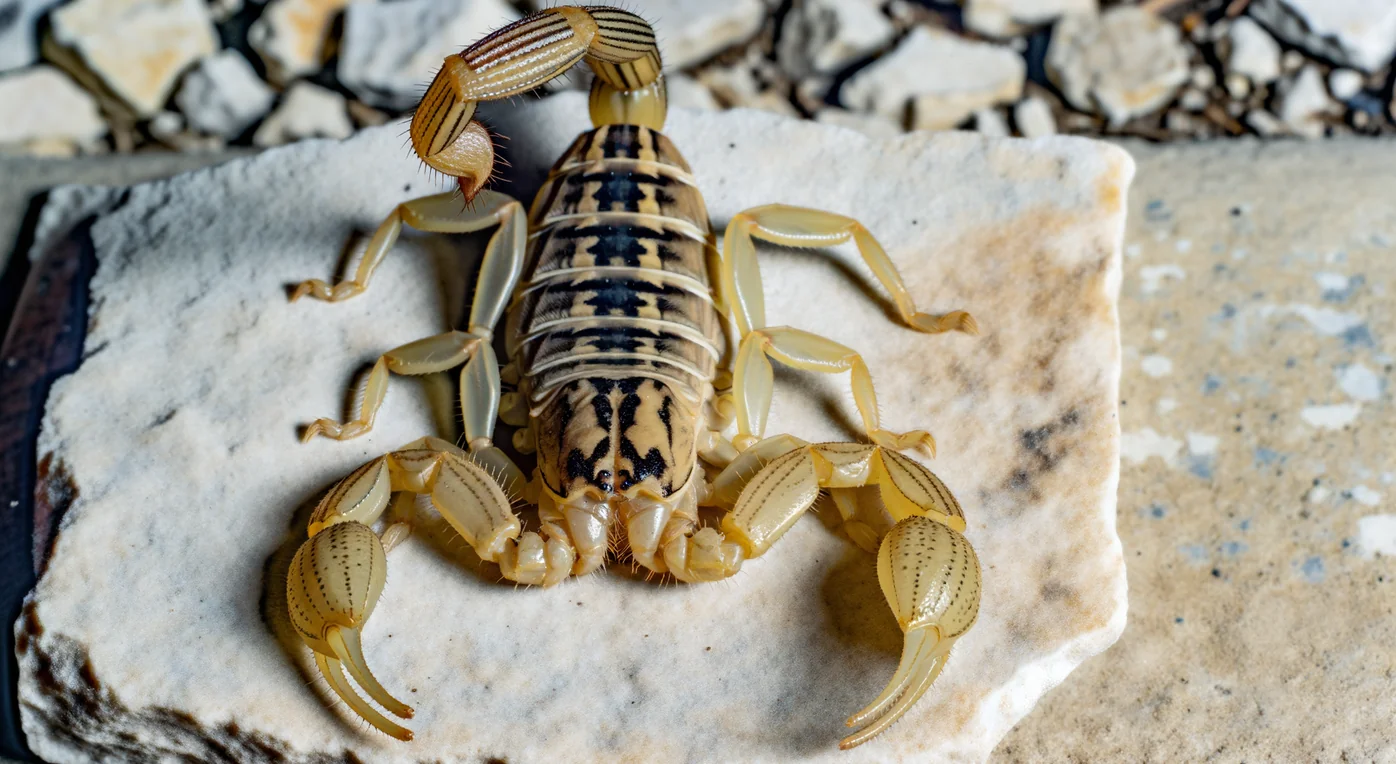
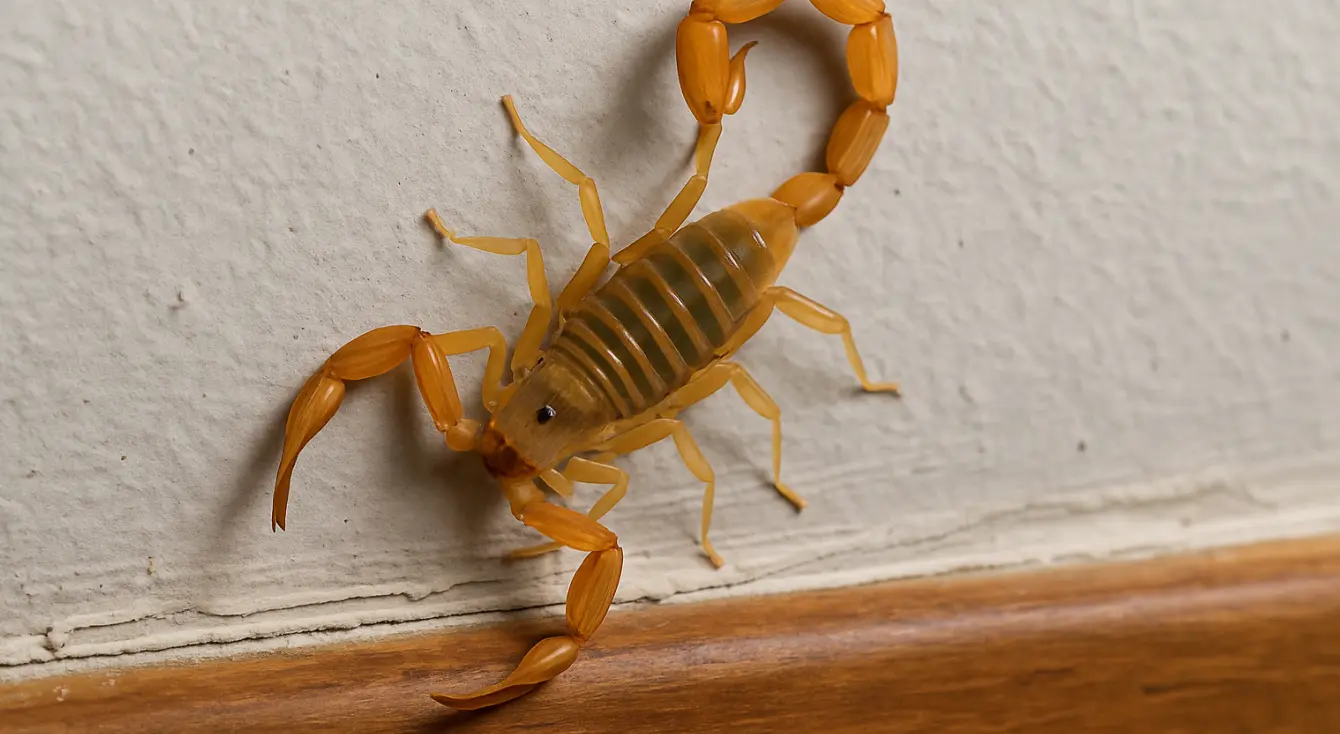
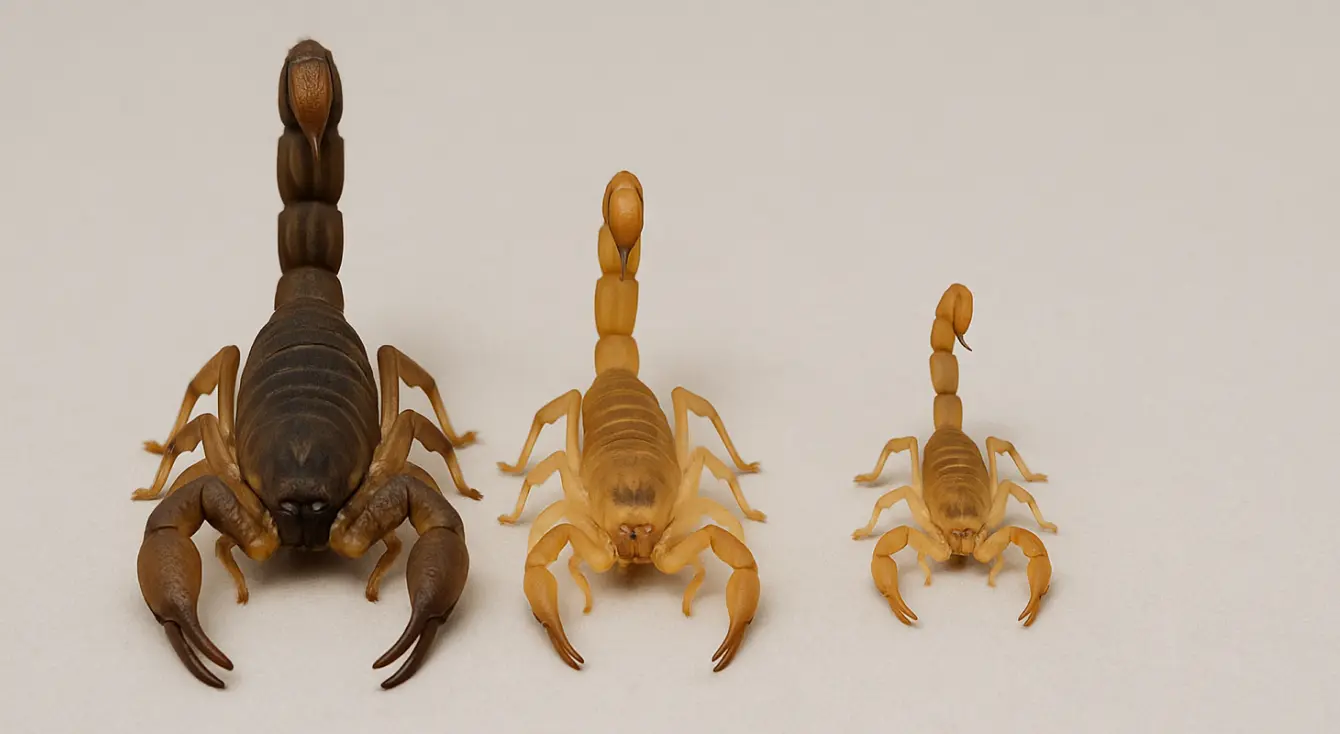
Bark scorpions, stripe-tailed, giant hairy — learn to identify the scorpions in your area.
What is Scorpion Alert?

Get instant alerts when scorpions are detected in your home

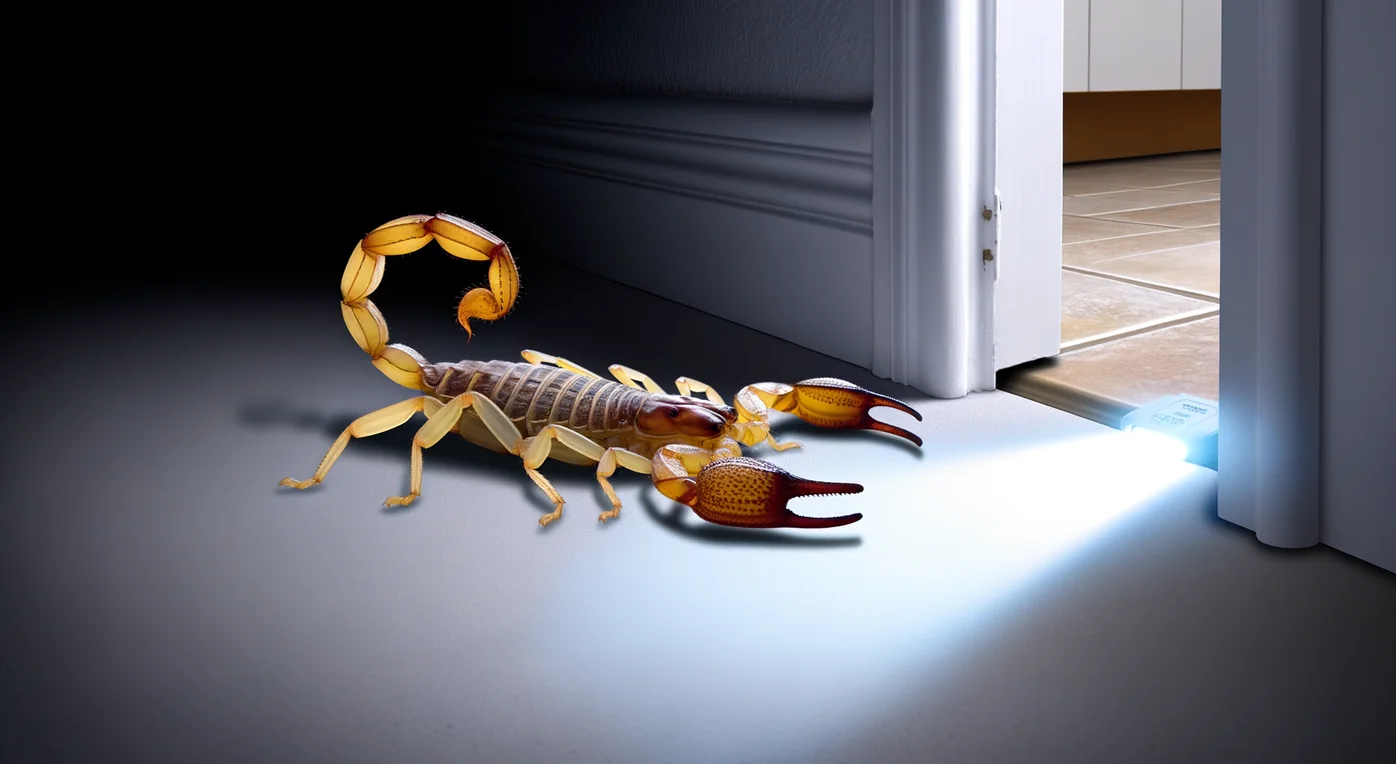
Scorpion Detectors watch over your home at night, when scorpions are most active. The moment a scorpion crosses one, you get a phone alert — so you can act before it makes a home out of your shoe, bed, laundy basket, or anywhere else.
  • Detectors arrive ready to plug in
  • Live alerts go straight to your phone or watch, with location
  • Alert multiple family members with a single account
  • One flat monthly monitoring fee — no contract, cancel anytime
Get Scorpion Alert
From our customers

What homeowners are saying

Map of Albuquerque, New MexicoAlbuquerque, New Mexico
We can finally go on offense against these things instead of waiting to find them in our couch and shoes. It really helps us figure out where they're getting in. Love it.
Marcus
18 scorpions detected
Map of Lakeway, TexasLakeway, Texas
Super easy setup. We just plugged the Scorpion Detectors in, set them up with my phone, and that was it. I love the live feed on my phone to let me know they're always watching.
Paul and Cindy
7 scorpions detected
Map of Scottsdale, ArizonaScottsdale, Arizona
Thank you for giving us the peace of mind in knowing these things aren't crawling around in our newborn's room at night and hiding in her toys or clothes.
James and Anna
12 scorpions detected
Common questions

Frequently asked questions

What kinds of scorpions do people usually find in California homes?

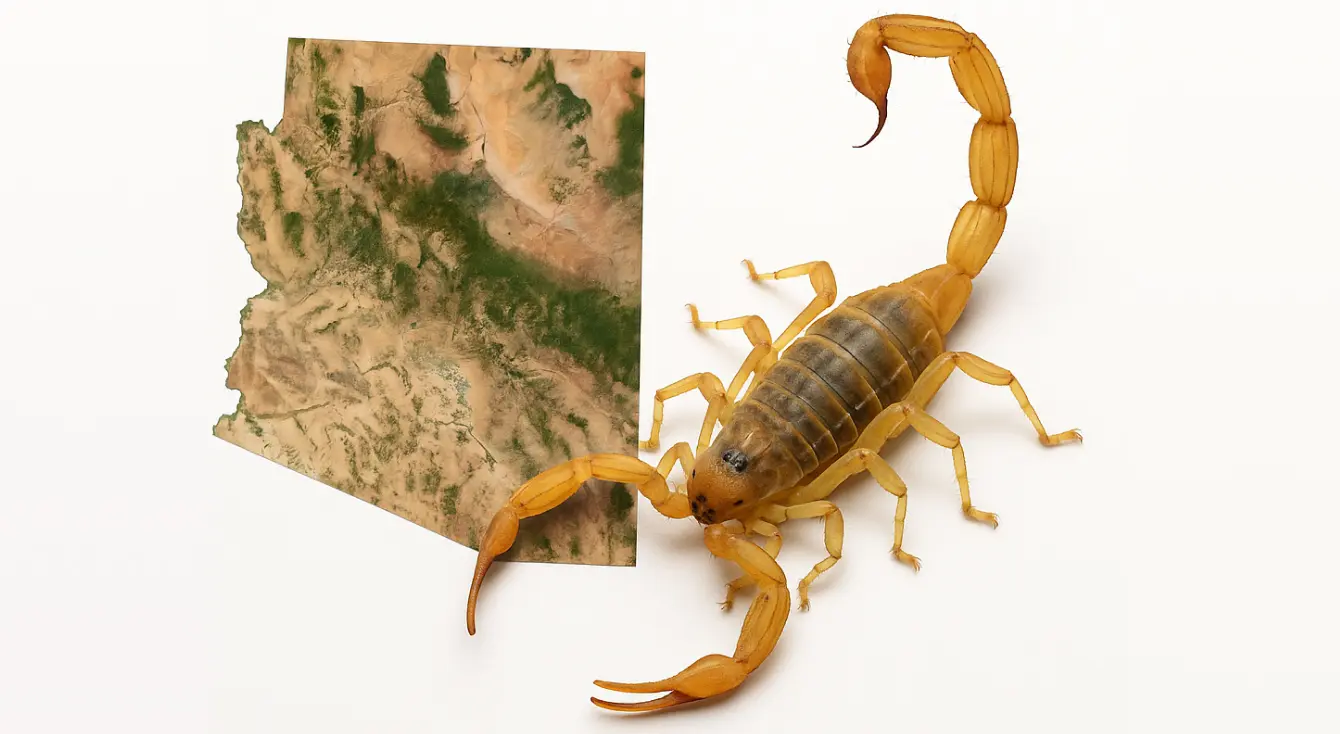
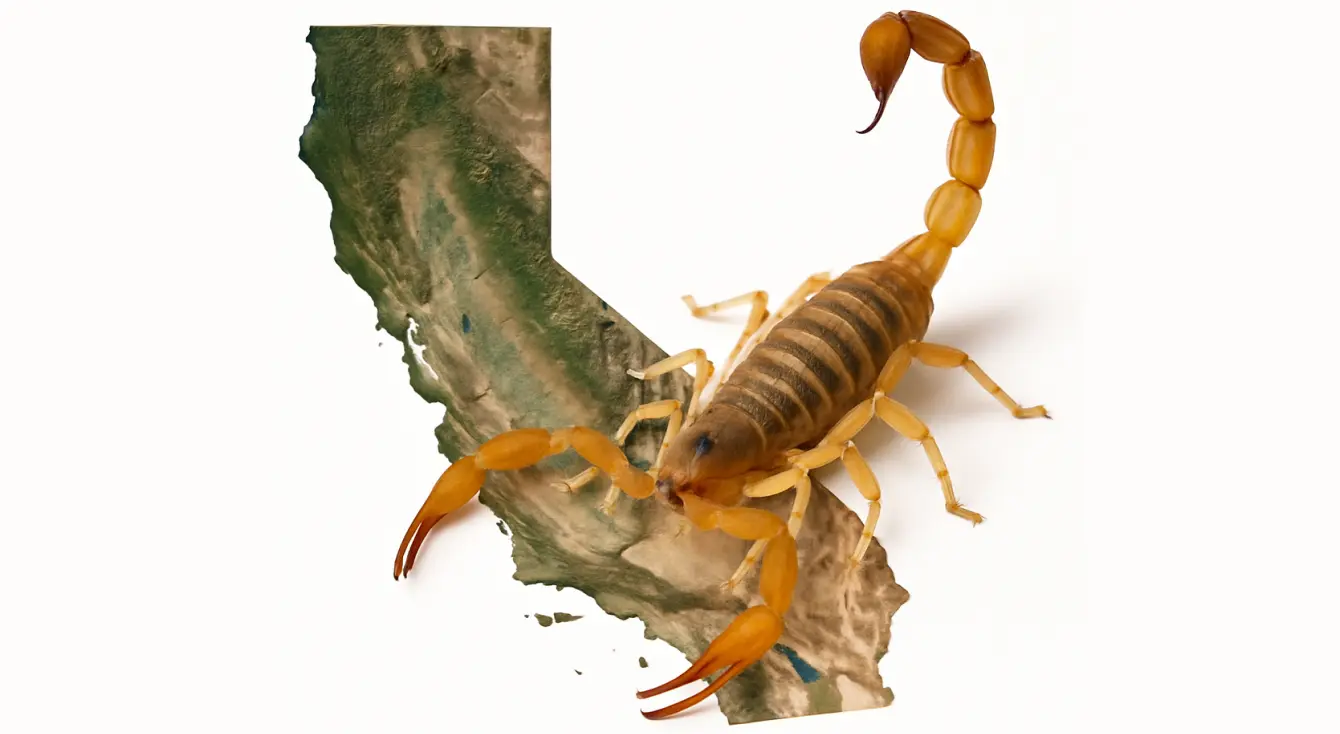
Most homeowners encounter a handful of common species, each with different ranges, sizes, and typical “home-invading” behavior. The article breaks down traits and lookalikes for the Arizona bark scorpion, stripedtail scorpion, California common scorpion, and giant hairy scorpion, plus what their differences can mean for risk. Use this most common California scorpion species overview to narrow down what you’re dealing with, but treat any indoor scorpion as a serious find.

Are there better alternatives than Cy-Kick CS or Demand CS for scorpions?

Sometimes, yes—pros often mention options like Onslaught FastCap for heavier activity, while budget-friendly choices like Cyzmic CS or Bifen IT can still work if you’re disciplined about coverage. The article also emphasizes an integrated plan: a consistent exterior barrier plus monitoring so you can verify progress at night and catch the occasional indoor roamer. This best scorpion spray alternatives section lays out when to consider switching and how to measure results.

How can I tell a bark scorpion from other scorpions in New Mexico?

Bark scorpions are typically more slender and are better climbers, so they’re more likely to show up on walls, furniture, or even upper areas than heavier, ground-bound species. This section gives a quick, middle-of-the-night checklist (shape, behavior, where you found it), clears up the myth that size equals danger, and explains how UV blacklights can help you spot scorpions. Use this bark scorpion ID checklist for NM to focus on the clues that matter most for homeowners.

Are smaller scorpions really more dangerous than big ones?

Not necessarily—size alone doesn’t predict sting severity, and in the U.S. Southwest some smaller, slimmer species can pose a bigger medical risk than large, bulky scorpions. For homeowners, “dangerous” is less about how much it hurts and more about whether symptoms can become medically significant, especially after accidental contact in shoes, bedding, or laundry. This scorpion size versus danger breakdown explains why species ID and behavior matter more than body length.

Are scorpions common in California, and what areas have the most scorpions?

Scorpion activity is most common in Southern California and desert regions, but sightings can still happen in foothills and inland valleys—especially during extreme heat, drought, or major weather swings. Homeowners often see them when construction or disturbed habitat pushes them toward shelter, water, and prey insects around homes. This California scorpion hotspot guide also covers key risk areas like the Mojave, Colorado River region, Imperial Valley, and Coachella Valley.

Where do scorpions hide in a house during the day?

Scorpions are mostly nocturnal, so they spend daytime in tight, dark, protected micro-spaces that stay cooler and slightly more humid. Indoors, they tend to choose edges and “touch points” (along baseboards, corners, and clutter pressed to walls) because they like to keep their bodies against surfaces. If you see one in daylight, it’s often been disturbed and the hiding spot is usually nearby—use these patterns to guide a calm, focused check of daytime scorpion hiding spots.